
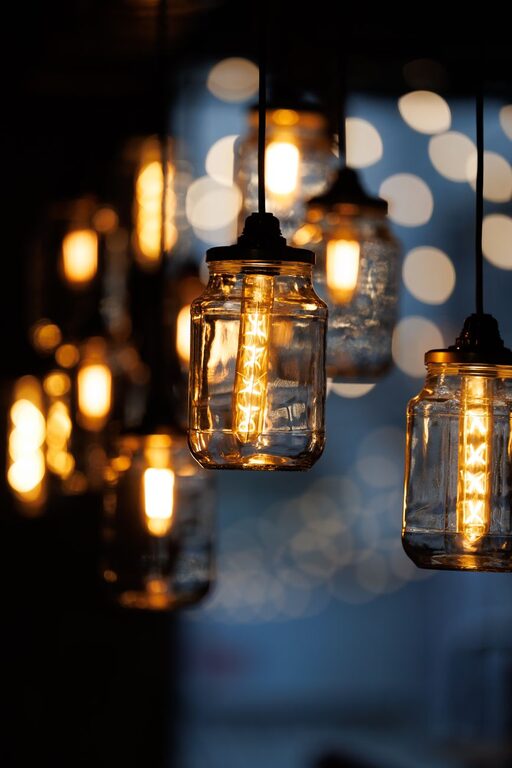
Creating a comfortable home environment depends on many factors, and lighting plays a key role. The right lighting can transform any room, making it more welcoming, functional, and relaxing. On the other hand, poorly chosen lighting can cause discomfort or strain, and even affect your mood. If you’re looking to update your home’s lighting or setting up a new space, it helps to understand what makes lighting comfortable and how to choose the best options for your needs.
In this post, we’ll explore practical tips to guide you in selecting comfortable home lighting that enhances both style and comfort.
Why Comfortable Lighting Matters
Lighting affects not just visibility but also how we feel in a space. Harsh lights can cause eye strain and headaches, while dim or uneven lighting can make rooms feel gloomy or unsafe. Comfortable lighting balances brightness and warmth, supports your daily activities, and complements your interior design.
Consider the Function of Each Room
Different rooms have different lighting needs. Start by identifying the primary use of each space:
– Living Room: This is a place for relaxation and socializing, so warm, soft lighting creates a cozy atmosphere. Layered lighting with floor lamps, table lamps, and ceiling fixtures works well here.
– Kitchen: Kitchens require brighter, focused lighting for cooking and food prep. Consider bright, cool white lights for task areas, combined with softer ambient lighting.
– Bedroom: Soft, adjustable lighting that can be dimmed helps create a calm environment for winding down. Bedside lamps or wall sconces provide convenient reading light without glaring overhead brightness.
– Bathroom: Bright, clear lighting is essential near mirrors for grooming. Use lights that mimic natural daylight to get accurate reflections.
– Home Office: Opt for bright, glare-free lighting that reduces eye strain during work. Position desk lamps to avoid shadows on your workspace.
Choose the Right Bulb Type and Color Temperature
The choice of light bulbs greatly impacts comfort:
– LED Bulbs: These are energy-efficient, long-lasting, and available in a variety of color temperatures. LEDs also produce less heat compared to incandescent bulbs.
– Color Temperature: Measured in Kelvins (K), this affects the “warmth” or “coolness” of the light.
– Warm white (2700K–3000K) creates a cozy, inviting feel—ideal for living rooms and bedrooms.
– Neutral white (3500K–4100K) offers a balanced tone, good for kitchens and bathrooms.
– Cool white daylight (5000K–6500K) mimics daylight and helps with focus in workspaces.
Choose bulbs that suit the room’s function and your personal comfort.
Use Layered Lighting for Flexibility
Layered lighting means combining different types of lighting to meet your needs:
– Ambient Lighting: General overhead light that provides overall illumination.
– Task Lighting: Focused light for specific activities like reading or cooking.
– Accent Lighting: Highlights architectural features, artwork, or plants, adding depth and interest.
By mixing these layers, you can adjust lighting based on the time of day or activity, improving comfort and ambiance.
Pay Attention to Brightness Levels
Measured in lumens, brightness levels should fit the size of the room and its purpose:
– Living areas typically need 1,500 to 3,000 lumens.
– Kitchens and bathrooms might require 4,000 lumens or more.
– Bedrooms usually do well with 1,000 to 2,000 lumens.
Using dimmer switches can help you control brightness easily, letting you create the perfect mood or increase light for tasks.
Minimize Glare and Shadows
Glare from overly bright lights or direct bulbs can be uncomfortable for your eyes. To reduce glare:
– Use lampshades or diffusers to soften light.
– Position lighting fixtures away from your line of sight.
– Opt for indirect lighting that bounces light off walls or ceilings.
Also, avoid harsh shadows by balancing the light sources and avoiding placing lamps that create uneven lighting.
Choose Fixtures That Complement Your Style and Function
Lighting fixtures not only light up your home but also contribute to its style. Select fixtures that match your décor, whether modern, traditional, or eclectic.
Consider practicality too—a pendant light might look stunning but may not fit well in a low-ceilinged room. Wall sconces can save space while adding charm. Track lighting offers flexibility for directing light where needed.
Incorporate Natural Light
Whenever possible, make the most of natural daylight. Use sheer curtains to let light in while maintaining privacy. Position mirrors to reflect natural light deeper into the room.
Natural light is great for well-being and makes your home feel more open and lively.
Don’t Forget Energy Efficiency and Sustainability
Comfortable lighting doesn’t have to come at the expense of energy use. Choosing LED bulbs and fixtures with energy star ratings can reduce electricity bills and your environmental footprint.
Also, consider smart lighting systems that allow you to adjust color, brightness, and schedules remotely for maximum convenience.
Final Thoughts
Choosing comfortable home lighting involves more than picking pretty lamps. It’s about understanding how light affects your space and your senses, and then selecting bulbs, fixtures, and layouts that blend function with style. By considering room purpose, bulb type, layering, brightness, and minimizing glare, you can create a warm, inviting home where lighting supports your daily life beautifully.
Take your time experimenting with different options and enjoy the process of making your house a comfortable, well-lit home.