Creating a family command center is a smart and practical way to keep your household running smoothly. With busy schedules, school events, appointments, and chores, having one central spot where everyone can find all the important information makes daily life easier for every family member.
In this guide, we’ll walk you through how to set up a family command center that fits your home and lifestyle. Whether you have a big wall or a small corner, you can create a personalized space that keeps your family connected and organized.
What Is a Family Command Center?
A family command center is a dedicated area in your home designed to organize essential information. It acts as a hub for calendars, schedules, to-do lists, mail, and notes. This can be a wall, a door, a bulletin board, or a section of a room where everyone can see and share updates.
The goal is to reduce clutter, increase communication, and help family members stay on top of their commitments.
Choosing the Perfect Location
Pick a spot that is central and used by everyone daily. Common locations include:
– Kitchen wall
– Entryway or mudroom
– Home office space
– Hallway near bedrooms
Make sure the space has enough room for the items you want to include but isn’t in the way of daily traffic.
Essential Components of a Family Command Center
You can customize your command center based on your family’s needs, but here are some basics to consider:
1. Calendar
A large calendar is the heart of the command center. Options include:
– Dry erase board with monthly calendar grid
– Corkboard with pinned paper calendar
– Magnetic calendar on a board or fridge
Use different colors or markers for each family member to easily identify who has what activities.
2. Message Center
Include a spot for notes and reminders such as:
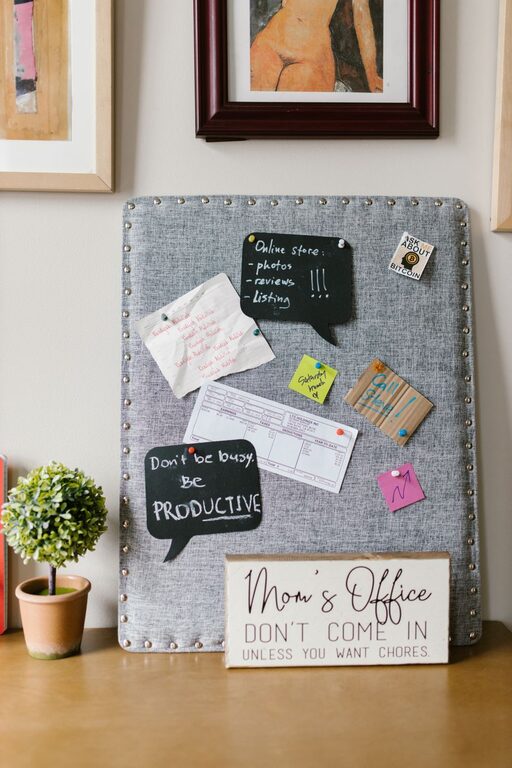
– A whiteboard or chalkboard for quick messages
– Clipboards or a bulletin board for flyers, invitations, and papers
– Small baskets or trays for incoming and outgoing mail and forms
3. To-Do Lists
Help everyone track chores, grocery needs, or project tasks by adding:
– Sticky notes
– Checklist pads
– A mounted clip for holding weekly task sheets
4. Key and Essentials Holder
Avoid lost keys and sunglasses by providing hooks or small shelves for everyday essentials like:
– Keys
– Wallets
– Sunglasses
– Face masks or hand sanitizer
5. Charging Station (Optional)
A charging dock or shelf for phones and tablets can keep devices organized and ready for use.
Supplies You Might Need
– Bulletin board or magnetic board
– Dry erase markers and erasers
– Corkboard pins or push pins
– Wall hooks or command strips
– Clipboards or document holders
– Baskets or trays
– Labels or stickers for organization
Step-by-Step Setup Guide
Step 1: Clear and Prep the Space
Remove any items from the chosen area. Clean the wall or surface so everything sticks securely.
Step 2: Plan the Layout
Use painter’s tape to map out the size and placement of your boards, calendars, and holders before attaching anything. This helps you visualize the arrangement and make changes easily.
Step 3: Mount Boards and Holders
Install bulletin boards, calendars, and hooks securely. Use screws or adhesive strips depending on your wall type and rental considerations.
Step 4: Add Organizational Tools
Place clipboards, baskets, and trays in convenient spots. Label areas for mail, homework, notes, or keys.
Step 5: Personalize It
Encourage each family member to choose a color or symbol for their calendar events and tasks. Include a chalkboard or whiteboard for daily updates or motivational quotes.
Step 6: Establish a Routine
Make it a habit for everyone to check the command center daily—before leaving for school or work, after homework, and during meal prep. Update calendars and to-do lists regularly.
Tips for Maintaining Your Family Command Center
– Keep it simple and avoid overcrowding.
– Use reusable materials like dry erase boards to reduce paper waste.
– Rotate or update displays to keep the area fresh and relevant.
– Encourage family members to take responsibility for adding or removing their items.
– Use technology integration if preferred—sync digital calendars with printed versions.
Benefits of a Family Command Center
– Reduces stress by consolidating important information in one spot
– Improves communication between family members
– Helps kids learn time management and organization skills
– Keeps chores and tasks visible and accessible
– Prevents missed appointments and deadlines
Final Thoughts
Setting up a family command center doesn’t have to be complicated or expensive. With a little planning and some basic supplies, you can create a functional and attractive space that brings your family together and makes daily organization effortless.
Start small, customize as you go, and enjoy the peace of mind that comes with a well-organized home!